

3D printing
3D printing, also known as additive manufacturing, is an innovative manufacturing process in which three-dimensional objects are built up layer by layer. This is done by adding material layer by layer. This process enables the precise production of complex shapes and structures that would often be difficult or impossible to realize using conventional methods and offers a fast and efficient production option, particularly in the area of prototypes.
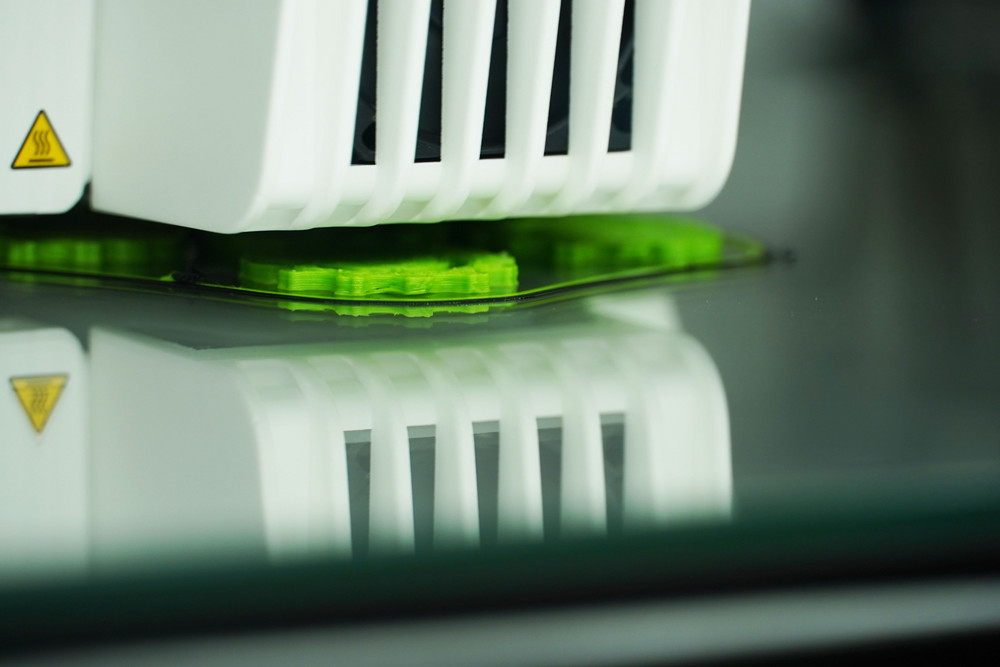
The 3D printing process usually begins with the creation of a digital 3D model of the desired object. This model is then broken down into layers and the 3D printer creates the physical object by extruding and applying molten thermoplastic material (known as filament) using the fused deposition modeling (FDM) process, which our printers use. The choice of the right filament depends on the requirements of the end product.
The advantages of 3D printing lie in its flexibility, speed and cost efficiency for small quantities. The process enables the production of customized products without the need for expensive molds or tools and thus offers the possibility of rapid prototyping to test and adapt ideas.
Self-learning units:
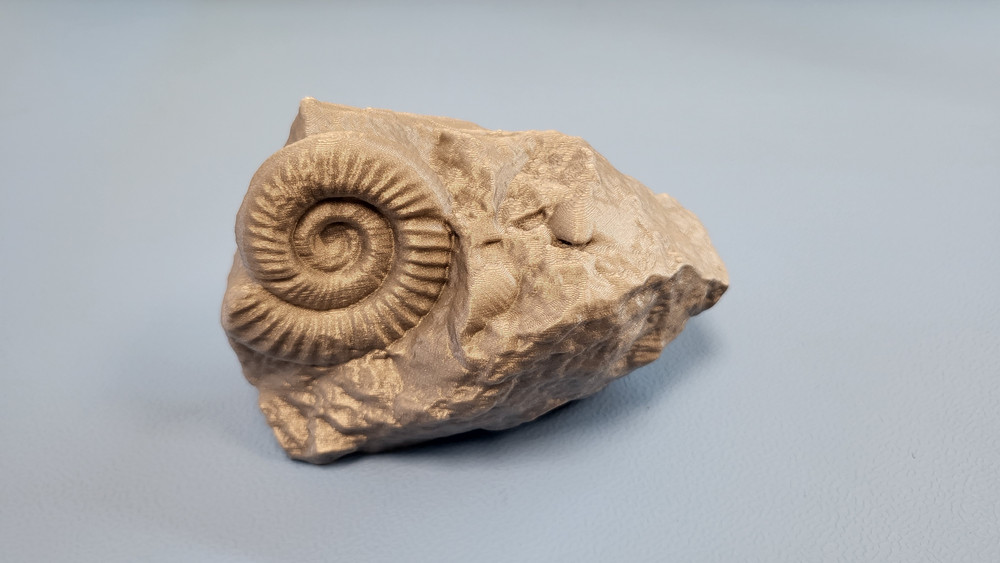
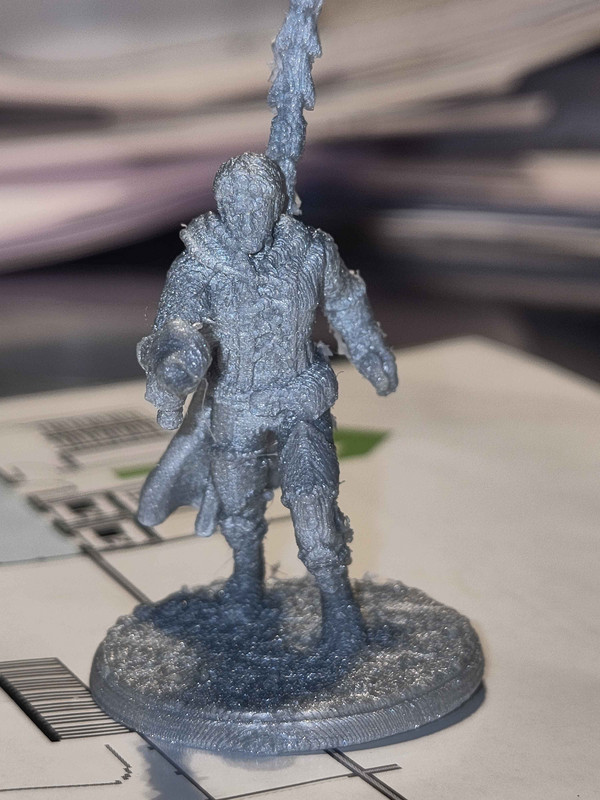
Material and application examples:
Workshop materials:
- 3D printing - Easy Start: Slide set
- 3D Printing - Easy Start: Slides
- 3D-Printing - Advanced: Set of slides
- Constructing 3D objects: Slide set
For teachers
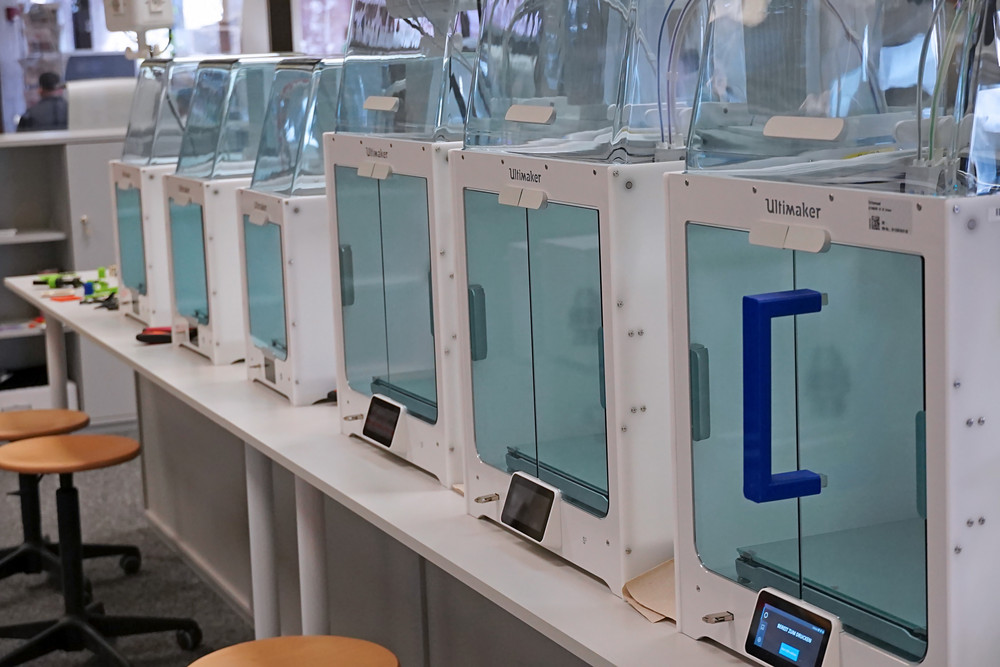
Information on the devices and safety aspects can be found on the subpages of the individual devices.